
Screw Barrel Supplier: A Complete Guide to Quality, Performance, and Selection
In the modern manufacturing industry, choosing the right Screw Barrel Supplier is essential for ensuring efficiency, durability, and high-quality output in plastic processing operations. Screw barrels play a critical role in extrusion and injection molding machines, directly impacting production consistency and product quality. Whether you are in packaging, automotive, or construction industries, selecting the right supplier can significantly influence your overall operational success.
Understanding Screw Barrels and Their Importance
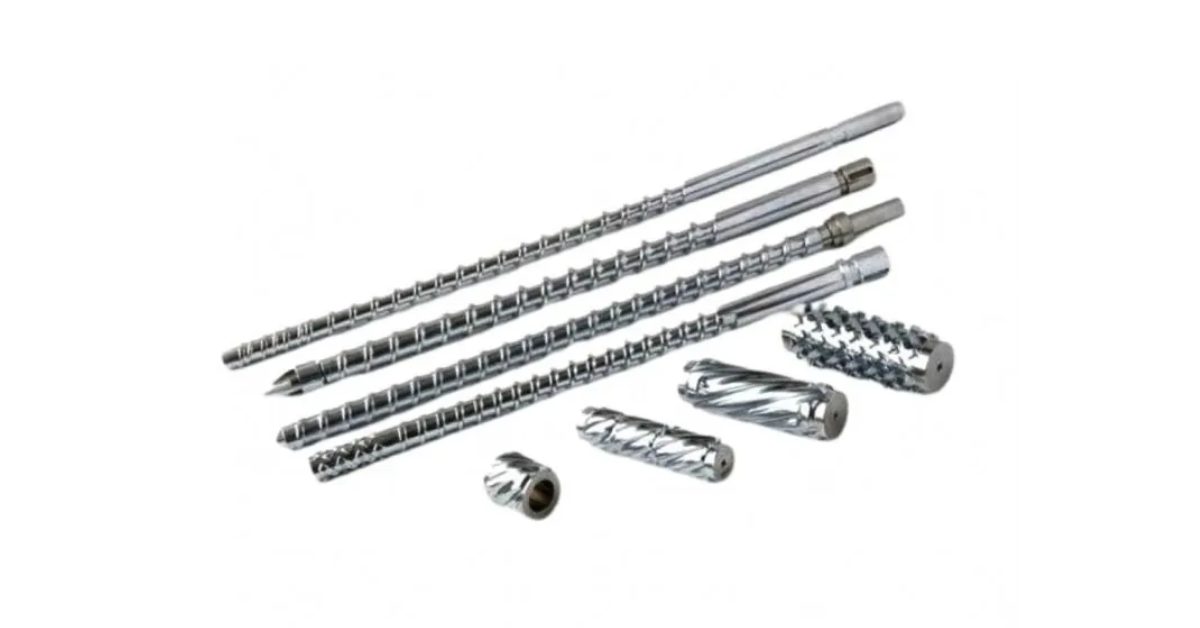
A screw barrel is a key component of plastic processing machinery. It consists of a rotating screw housed inside a cylindrical barrel, designed to melt, mix, and transport plastic materials. The design, material, and precision of these components determine how effectively the machine performs.
A reliable Screw Barrel Supplier ensures that these components are manufactured using high-grade materials and advanced engineering techniques. This not only enhances performance but also increases the lifespan of the machinery, reducing maintenance costs and downtime.
Key Features of a High-Quality Screw Barrel
When evaluating a Screw Barrel Supplier, it is important to consider the quality of the products they offer. High-quality screw barrels typically have the following features:
- Durable Materials: Made from nitrided steel, alloy steel, or bimetallic materials to resist wear and corrosion.
- Precision Engineering: Accurate dimensions and tolerances for smooth operation.
- Efficient Heat Distribution: Ensures consistent melting and processing of materials.
- Custom Design Options: Tailored solutions for specific industrial needs.
These features directly impact productivity and ensure that manufacturers can meet high production demands without compromising on quality.
Types of Screw Barrels
Different industries require different types of screw barrels. A professional Screw Barrel Supplier usually offers a wide range of options, including:
Single Screw Barrels
These are commonly used in extrusion processes. They are simple in design and suitable for basic plastic processing tasks.
Twin Screw Barrels
Used for more complex operations, twin screw barrels provide better mixing and are ideal for compounding and specialized applications.
Injection Molding Screw Barrels
Specifically designed for injection molding machines, these screw barrels ensure precise control over material flow and temperature.
Choosing the right type depends on your production requirements, material type, and desired output quality.
How to Choose the Right Supplier
Selecting the right Screw Barrel Supplier requires careful evaluation. Here are some key factors to consider:
Experience and Expertise
Look for suppliers with a proven track record in the industry. Experienced manufacturers understand the technical requirements and can provide reliable solutions.
Customization Capabilities
Every manufacturing process is unique. A good supplier should offer customized screw barrel designs tailored to your specific needs.
Quality Assurance
Ensure the supplier follows strict quality control standards and provides certified products. This guarantees consistency and reliability.
After-Sales Support
A dependable Screw Barrel Supplier offers strong customer support, including maintenance services and technical assistance.
Benefits of Working with a Reliable Supplier
Partnering with a trusted Screw Barrel Supplier provides several advantages:
- Improved Machine Performance: High-quality components ensure smooth and efficient operation.
- Reduced Downtime: Durable products minimize breakdowns and maintenance requirements.
- Cost Efficiency: Long-lasting screw barrels reduce replacement costs over time.
- Enhanced Product Quality: Consistent processing leads to superior end products.
These benefits make it clear that investing in the right supplier is not just a purchase decision but a long-term business strategy.
Common Applications of Screw Barrels
Screw barrels are widely used across various industries. Some of the most common applications include:
- Plastic Extrusion: Used in manufacturing pipes, sheets, and films.
- Injection Molding: Essential for producing plastic components with high precision.
- Blow Molding: Used in creating bottles and containers.
- Recycling Industry: Helps in reprocessing plastic waste into reusable materials.
A professional Screw Barrel Supplier understands these applications and designs products that meet industry-specific requirements.
Maintenance Tips for Screw Barrels
To maximize the lifespan and efficiency of screw barrels, proper maintenance is crucial. Here are some practical tips:
- Regularly clean the screw and barrel to prevent material buildup.
- Monitor temperature settings to avoid overheating.
- Use high-quality raw materials to reduce wear and tear.
- Conduct periodic inspections to detect early signs of damage.
Following these practices ensures that your equipment remains in optimal condition and performs efficiently over time.
Future Trends in Screw Barrel Manufacturing
The manufacturing industry is constantly evolving, and screw barrel technology is no exception. Modern Screw Barrel Supplier companies are adopting advanced technologies to improve product performance.
Some emerging trends include:
- Advanced Coatings: Enhancing wear resistance and durability.
- Energy-Efficient Designs: Reducing power consumption in processing machines.
- Smart Manufacturing: Integration of sensors for real-time monitoring and predictive maintenance.
- Sustainable Materials: Focus on eco-friendly production methods.
These innovations are shaping the future of plastic processing and helping manufacturers achieve greater efficiency and sustainability.
Conclusion
Choosing the right Screw Barrel Supplier is a critical decision that directly impacts your manufacturing efficiency, product quality, and overall business success. From material selection to precision engineering and after-sales support, every aspect matters when selecting a supplier.
By understanding your specific requirements and evaluating suppliers based on quality, experience, and reliability, you can make an informed decision that benefits your operations in the long run. Investing in a trusted supplier is not just about purchasing a component—it’s about building a partnership that supports your growth and success in the competitive manufacturing industry.